

If you run a gym, you already know this truth: getting new members is hard, but keeping them is harder. Industry research also shows that member usage is directly linked to retention, the more often members show up, the more likely they are to stay.
It’s also worth remembering that the average health club’s annual attrition has been reported around 28.6%, which is a big leak to plug if you want predictable monthly revenue.
This 30-day plan is built for real gyms, real staff, real WhatsApp follow-ups, and real “I’ll come from Monday” members. It’s designed to help you reduce gym member dropouts, improve renewals, and build a retention routine your team can actually follow. If you want to automate renewals and follow-ups, Kore App , the best gym software in India can make retention easier without daily manual tracking.
Most dropouts do not happen because your equipment is bad. They happen because one of these things breaks:
One modern trend to keep in mind is that community matters more than many owners expect. In 2025 data shared by ABC Fitness, “community” is highlighted as a major reason Gen Z sticks with fitness, and Gen Z also made up a large share of new joins in 2025.
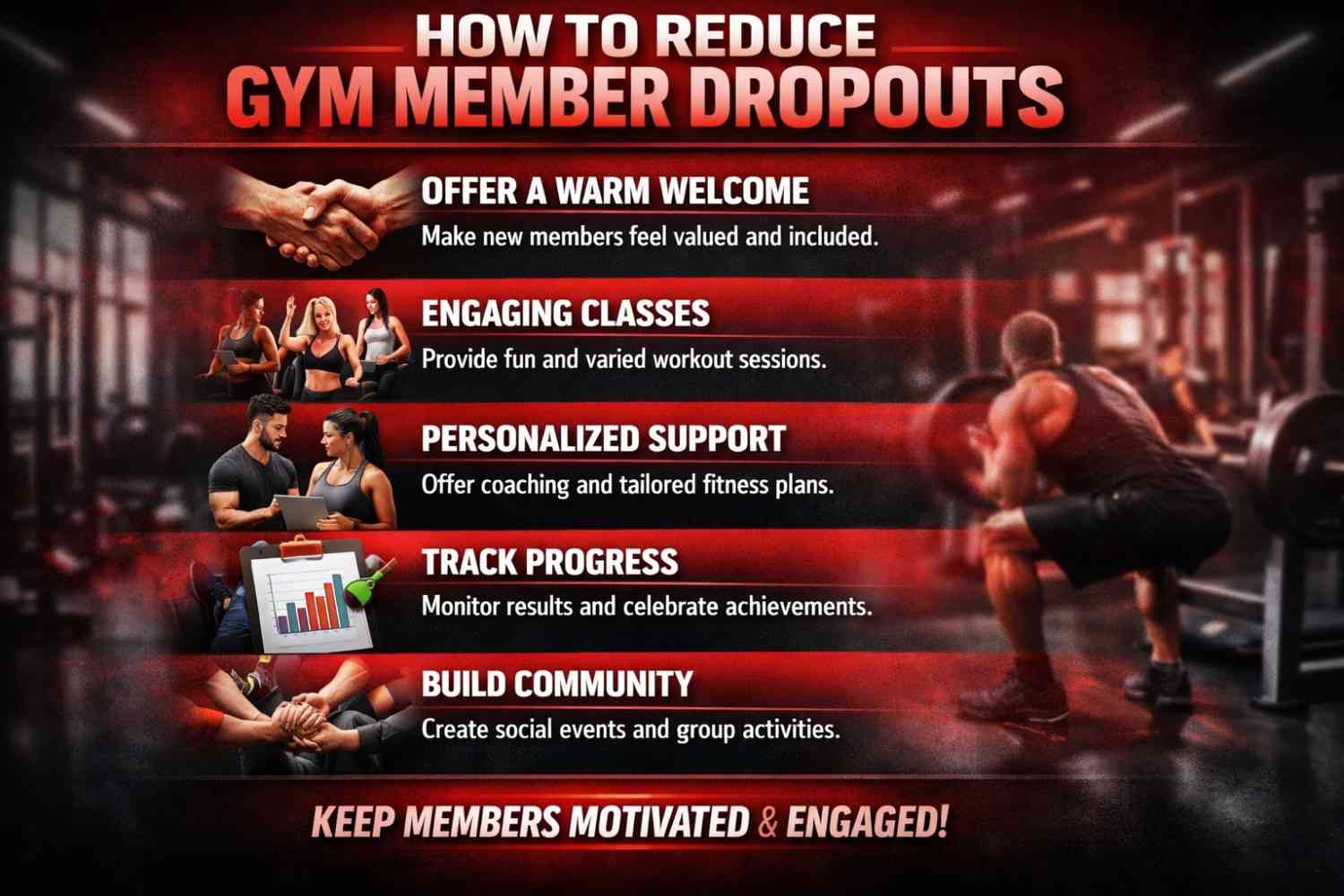
So your retention plan should not be only reminders and calls. It should also build habit + belonging.
You do not need a complex dashboard. You need 3 lists and one daily routine.
A practical “at-risk” rule that aligns with industry guidance is: members who have not attended for more than a week but did attend within the last two weeks.
Keep it simple:
Even small retention lifts matter a lot. Broad business research cited by the highlights that improving retention can significantly improve profits.
Goal: identify at-risk members early and add human touchpoints.
Industry guidance also suggests staff interaction matters a lot, nearly 90% of members value communication from staff, and consistent interactions can drive more visits.
Aim for at least two meaningful touchpoints per month per member: quick check-in, trainer note, goal update, class invite.
Meaningful touchpoint is not “Hi”. It is “I noticed you missed 3 days, want me to book your 7 pm slot and help you restart?”
For members in the first 30 days:
Quick win: book their next 2 visits while they are standing in front of you.
Goal: increase visits and reduce awkwardness of returning.
A strong retention lever: group exercise. Industry research highlights cancellation risk can be significantly higher among members who do not exercise in groups compared to those who do.
Options:
Even if they are not a “class person”, this is about connection and routine.
Not a heavy transformation challenge. Keep it realistic:
This also matches what many operators are seeing: community and engagement are increasingly central to retention, especially among younger members.
Goal: show progress in a way that members can understand.
You can do any of these:
Progress is not only “kg lost”. It’s “I can now do 10 squats without pain” or “I came 6 times this month”.
This is underrated, and it’s directly called out in industry guidance: little things like cleanliness, equipment maintenance, and front desk friendliness can change retention outcomes.
Goal: prevent last-minute cancellations and bring back silent members.
Anyone who has not visited in 14+ days gets a structured win-back:
Build your monthly rhythm:
This stops retention from being “panic follow-ups”.
Hi [Name], quick check-in from [Gym Name]. I noticed you missed a few days. Want me to book your next 2 visits this week and help you restart with an easy plan?
Hi [Name], we missed you this week. Want to join the beginner session at 7 pm tomorrow? I’ll reserve your spot.
Hi [Name], just a reminder that your membership payment is pending. If you want, I can share the payment link and confirm once it’s done. Thanks.
Hi [Name], your plan ends on [Date]. You have been consistent this month. Want me to suggest the best renewal option based on your routine?
Hi [Name], everything okay? If you want to restart, we can do a quick 15-minute reset session and set a simple plan for this week.
Track these weekly:
Also keep an eye on engagement patterns. Recent industry commentary notes that engagement can rise while cancellations also rise, meaning some members are getting more active while others quietly drop out. Your job is to spot the quiet dropouts earlier.
If you do only one thing from this plan, do this:
Create an At-Risk list every morning and make sure your team contacts those members the same day. Members who break routine are the ones who need a quick human nudge, before the break becomes a cancellation.
What is the biggest reason gym members drop out?
Most dropouts happen when the workout habit breaks for 7 to 14 days and nobody helps the member restart with a simple plan.
How soon should I follow up with an inactive member?
Ideally within 24 hours of the first missed routine pattern, and definitely before 7 days.
What should I say to members who stopped coming?
Keep it friendly and helpful. Offer a restart plan, book a slot, and make the first return visit easy.
Do group classes really improve gym retention?
Yes, they help members build routine and social connection, which usually improves consistency.
How early should I start renewal follow-ups?
Start 30 days before expiry so it feels like guidance, not a last-minute payment chase.
Which KPIs should I track to reduce churn?
7-day active members, average visits per member, renewal due vs renewal done, overdue payments, and at-risk list size.
Fill the form below to request for 1-on-1 free demo
.jpg)

.webp)