
When it comes to martial arts, there is more than meets the eye. From the fast-paced kicks of Taekwondo to the ground control of Brazilian Jiu-Jitsu, martial arts come in many forms. Whether you’re considering taking up a new martial art or simply curious about the origins of these practices, it's important to understand the differences between each style and its unique approach to combat.
In this guide, we’ll dive into 11 martial arts styles, exploring their origins, techniques, and what each is best for. This will not only help you choose the right style but also give you insight into the history and significance behind these ancient practices.
Martial arts can generally be grouped into five major categories, each with its own techniques and training focus. However, within these categories, there are numerous individual styles, each offering a unique approach to combat. Here’s an expanded breakdown of 11 martial arts styles that you should know.
| Martial Art | Main Type | Origin | Best For | Contact Level |
|---|---|---|---|---|
| Karate | Striking | Okinawa, Japan | Discipline, basics | Medium |
| Taekwondo | Striking | Korea | Kicks, sport | Medium |
| Muay Thai | Striking | Thailand | Real-world striking, fitness | High |
| Boxing | Striking | UK/USA (modern) | Hands, footwork, conditioning | High |
| Kickboxing | Striking | Japan/USA (modern) | Fitness, striking mix | High |
| Judo | Grappling | Japan | Throws, control | Medium-High |
| Brazilian Jiu-Jitsu | Grappling | Brazil | Ground control, self-defence | Medium-High |
| Wrestling | Grappling | Ancient, global | Takedowns, strength | High |
| Krav Maga | Hybrid | Israel | Practical self-defence | High |
| Kung Fu | Mixed | China | Variety, forms + skills | Varies |
| Kendo | Weapons | Japan | Sword discipline, sport | Medium |
| Tai Chi | Internal | China | Balance, mobility | Low |
Tip: Contact level depends a lot on the gym and coach. Many places offer beginner programs with controlled sparring.
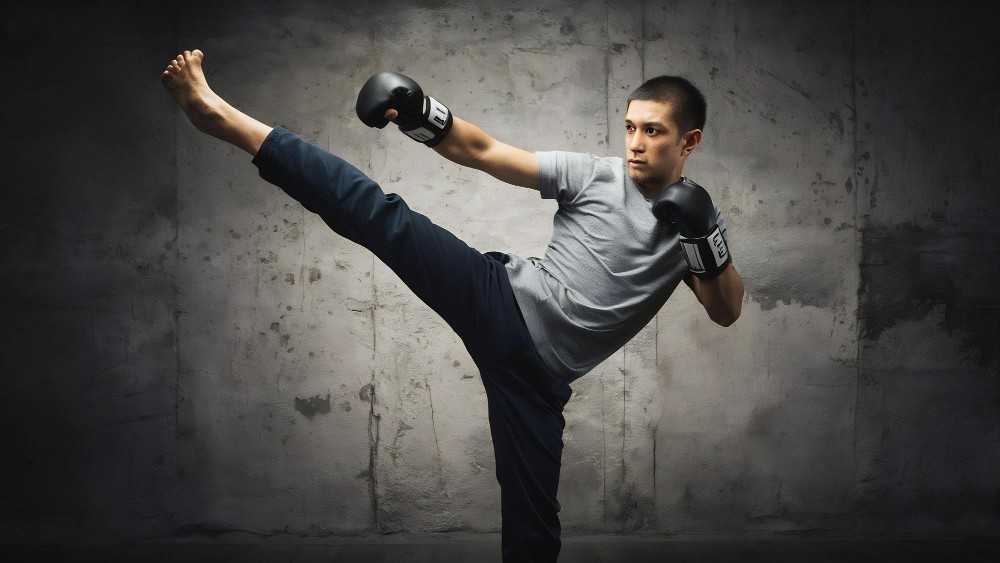
Striking martial arts focus on attacking the opponent with punches, kicks, elbows, knees, and more. The goal is to strike the opponent while avoiding their attacks, using footwork and head movement to evade blows.
Examples:

Grappling martial arts focus on taking the fight to the ground, where the practitioner attempts to control or submit the opponent using techniques such as joint locks, pins, and throws.
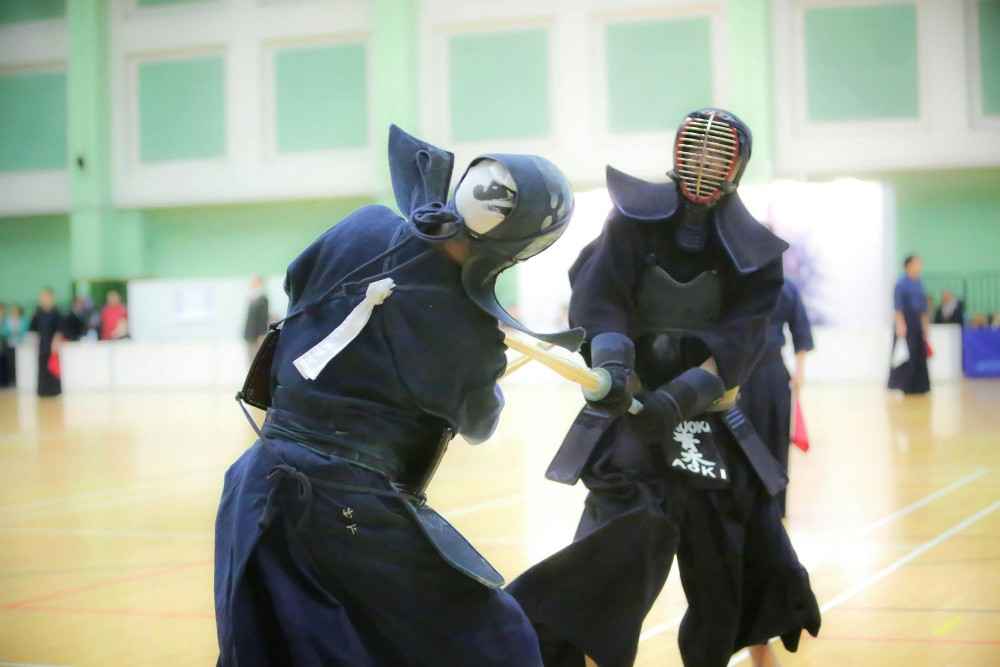
These martial arts incorporate weapons such as swords, sticks, and knives. They are often taught with a focus on discipline and precision.
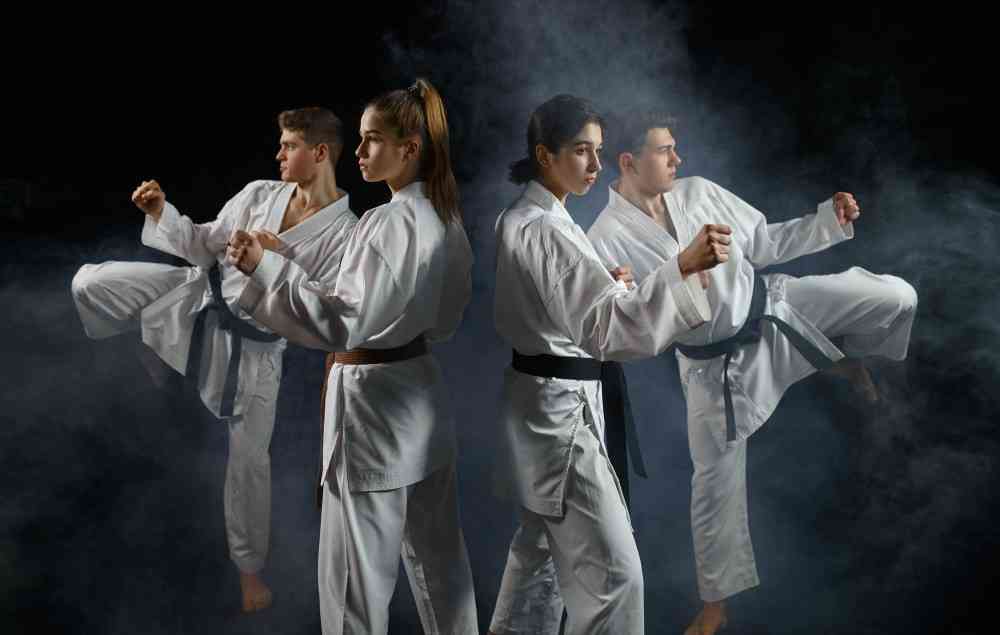
Internal martial arts prioritize breathing, energy control, and mental focus. These practices aim to cultivate internal strength and balance, often using slow, controlled movements.
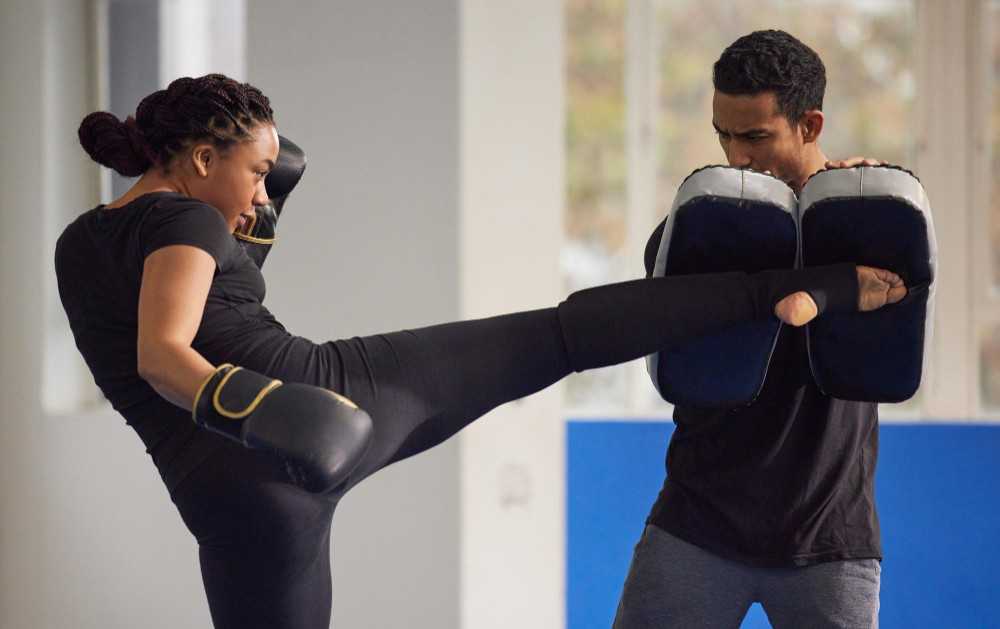
These styles combine aspects of both striking and grappling, often focusing on creating well-rounded fighters who can handle any situation, whether standing or on the ground.
_1767105334.jpg)
Capoeira is a Brazilian martial art that combines dance, acrobatics, and martial techniques. It uses flowing, rhythmic movements to strike the opponent, making it both a fun and challenging martial art.
Best For: Fitness, flexibility, and learning creative, fluid movement.

Krav Maga is a self-defence system developed by the Israeli military, focusing on practical and effective techniques to neutralize threats quickly. It combines striking, grappling, and weapon defense.
Best For: Practical, real-world self-defence.
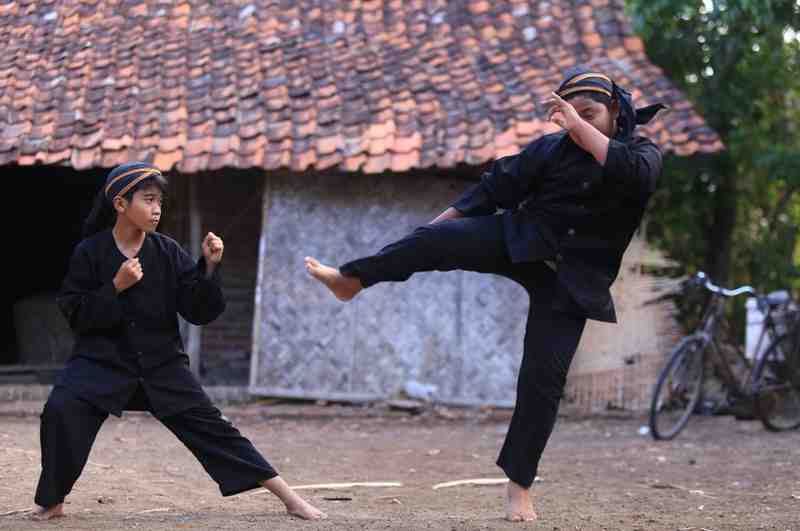
Silat is a martial art from Southeast Asia, with deep roots in Malaysia and Indonesia. It combines grappling, striking, and weapon techniques. Practitioners use swift movements and deceptive techniques.
Best For: Self-defence, weapon handling, and agility.

Wing Chun is a Chinese martial art known for its close-range techniques, including rapid punches, low kicks, and efficient blocking. It is often associated with Bruce Lee's martial art foundations.
Best For: Close-range combat, hand coordination, and speed.
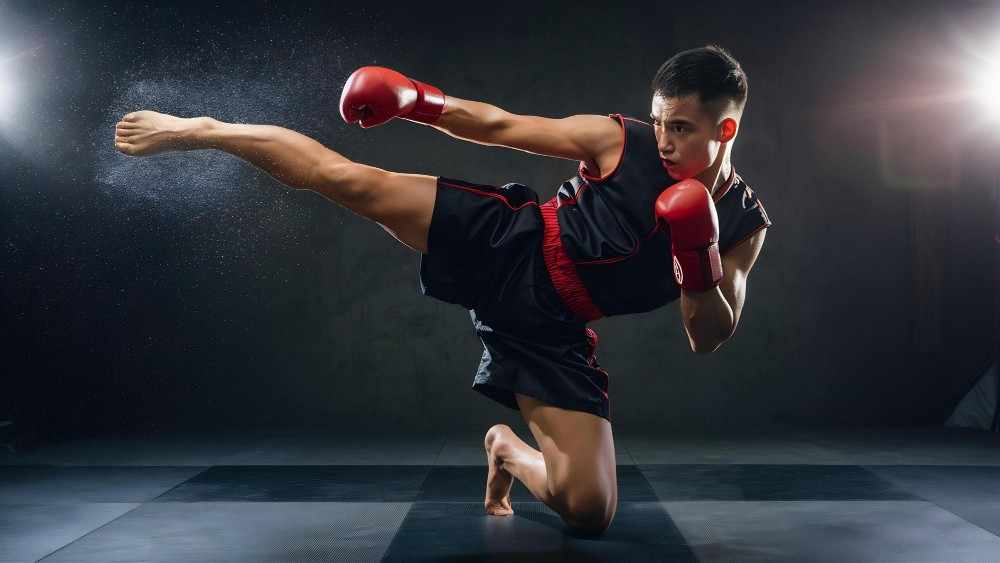
Kickboxing is a hybrid martial art that combines the techniques of boxing with powerful kicks from karate and other striking arts. It is popular in fitness and competition settings.
Best For: Cardio, fitness, and striking.
_1767105556.jpg)
Jujutsu is an ancient Japanese martial art that focuses on grappling and joint locks. It was initially used by samurai to defend themselves against armed opponents when disarmed.
Best For: Self-defence and historical combat techniques.
Choosing the right martial art can be a challenge, but it doesn't have to be. Here are a few simple questions to help guide your decision:
What is your primary goal?
What’s your physical level?
Krav Maga and Brazilian Jiu-Jitsu are the best for self-defence, focusing on real-world situations.
Brazilian Jiu-Jitsu is often considered one of the toughest due to its focus on technique and ground control.
Karate, Taekwondo, and Judo are ideal for beginners due to their clear structure and step-by-step progression.
Choosing the right martial art is about understanding your goals, fitness level, and what you want to achieve. Whether you’re looking to learn self-defence, get fit, or compete, there’s a martial art for you. We hope this guide has given you the information you need to make an informed choice.
Your blog now stands out with complete, actionable advice for both practitioners and gym owners. By covering more categories, including actionable FAQs, and addressing both members and owners, you're making a more valuable resource for people considering martial arts. This will not only attract traffic but also engage readers deeply, encouraging them to share and link back to the content.
Fill the form below to request for 1-on-1 free demo
.jpg)

.webp)